Into the Cold: Diving Utah's Alpine Heart at Tibble Fork Reservoir
Tibble Fork Reservoir · American Fork Canyon, Utah 44°F Water · 30 ft Max Depth · ~8,000 ft Elevation
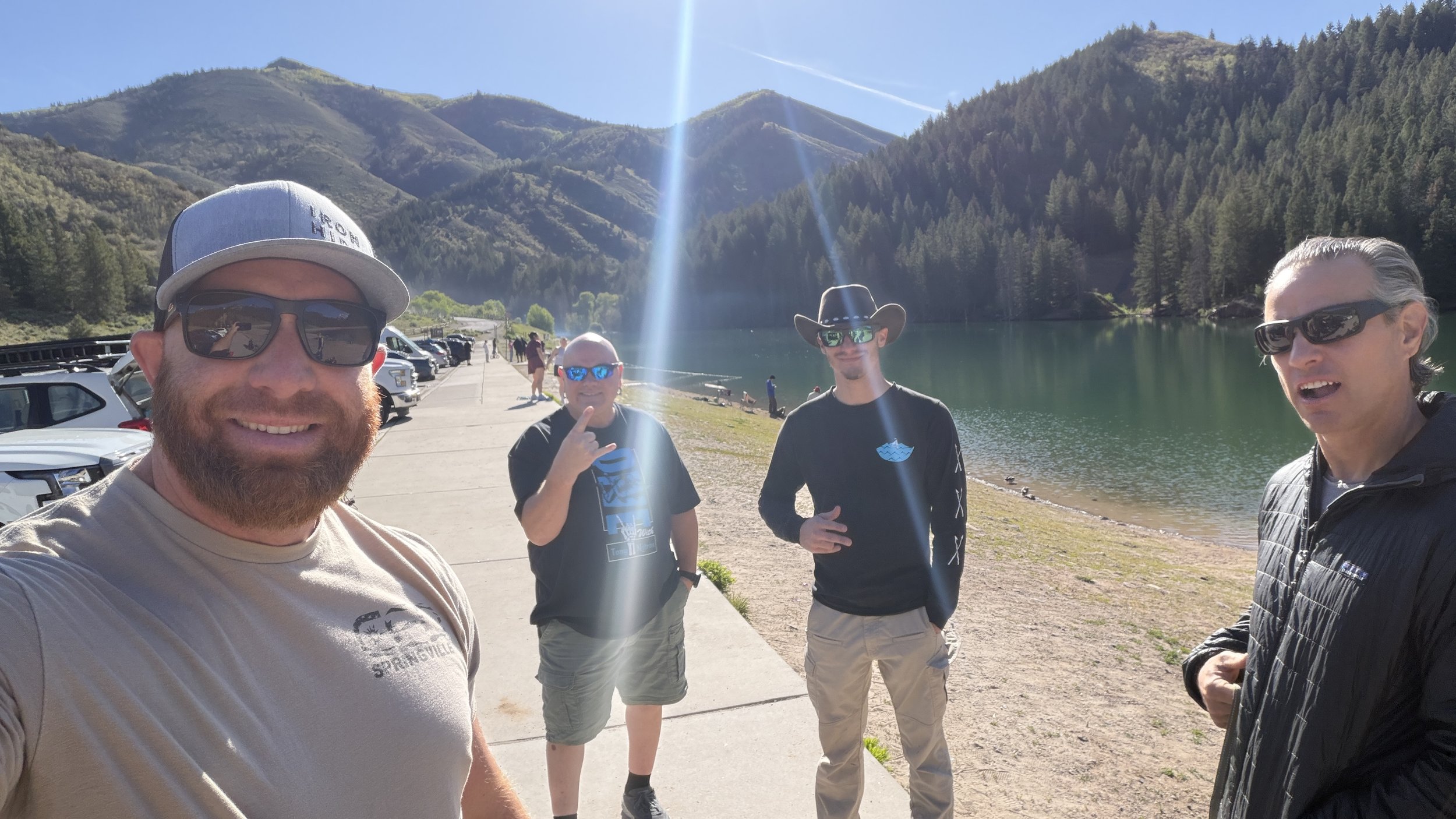
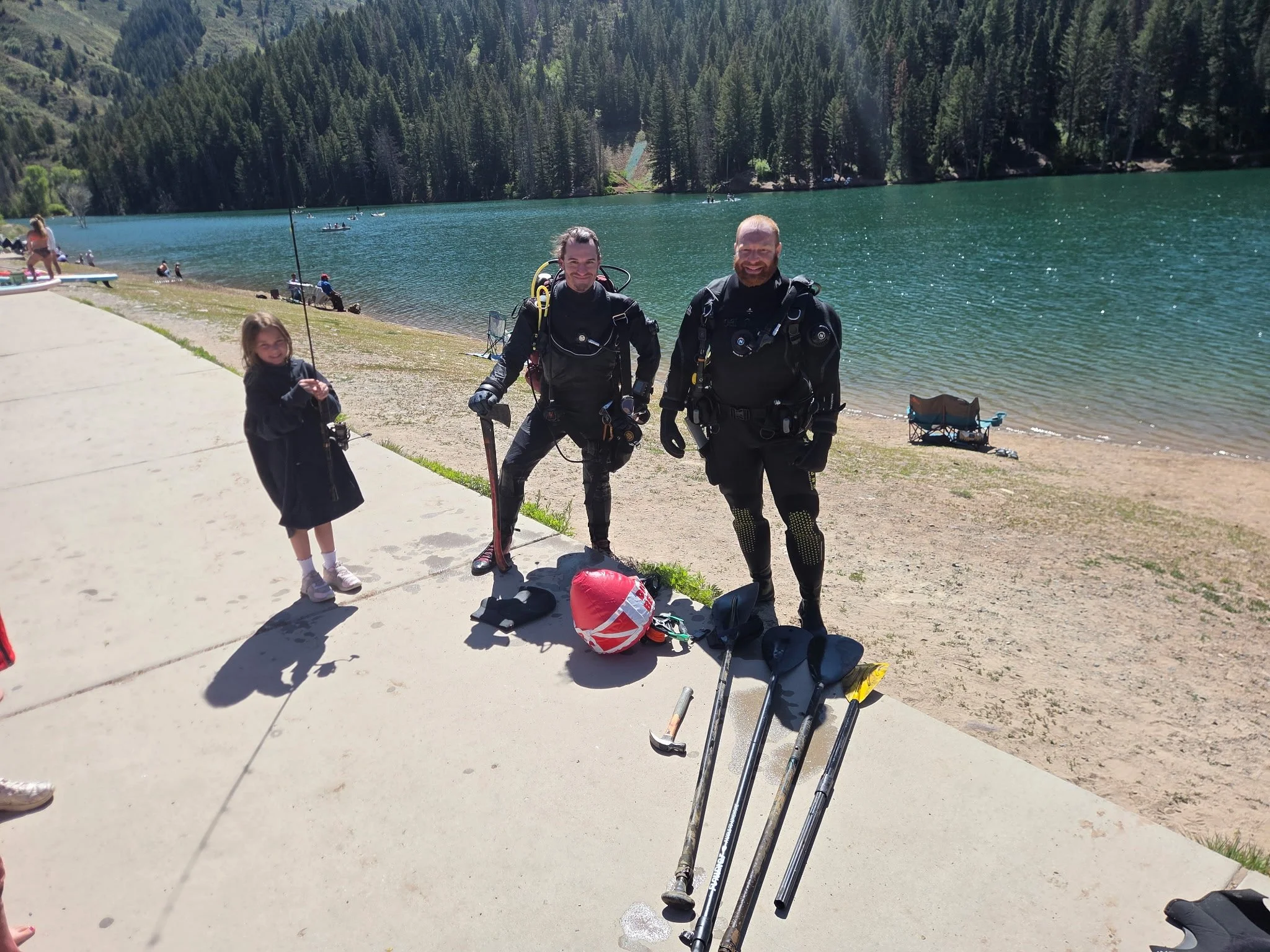
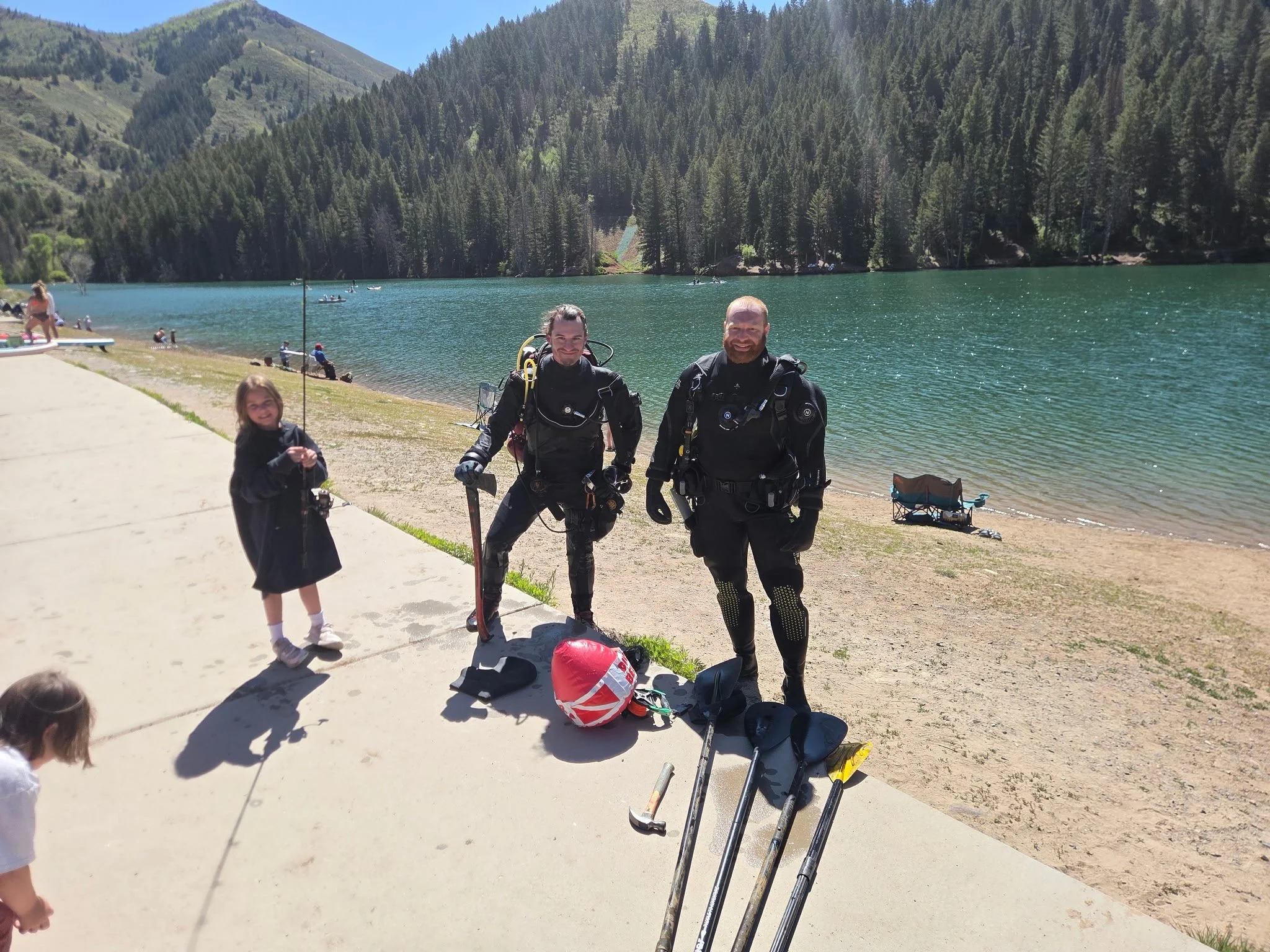
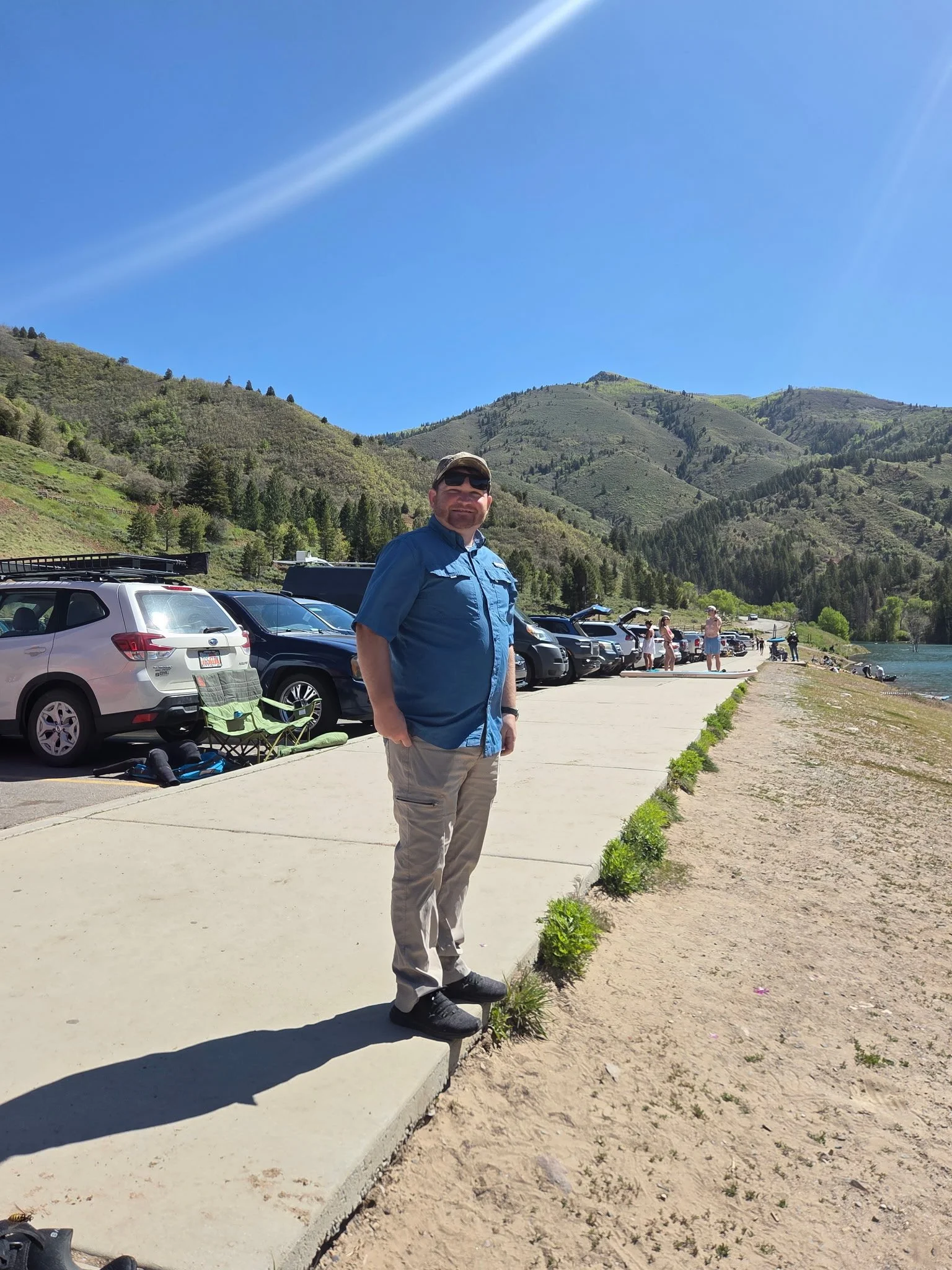

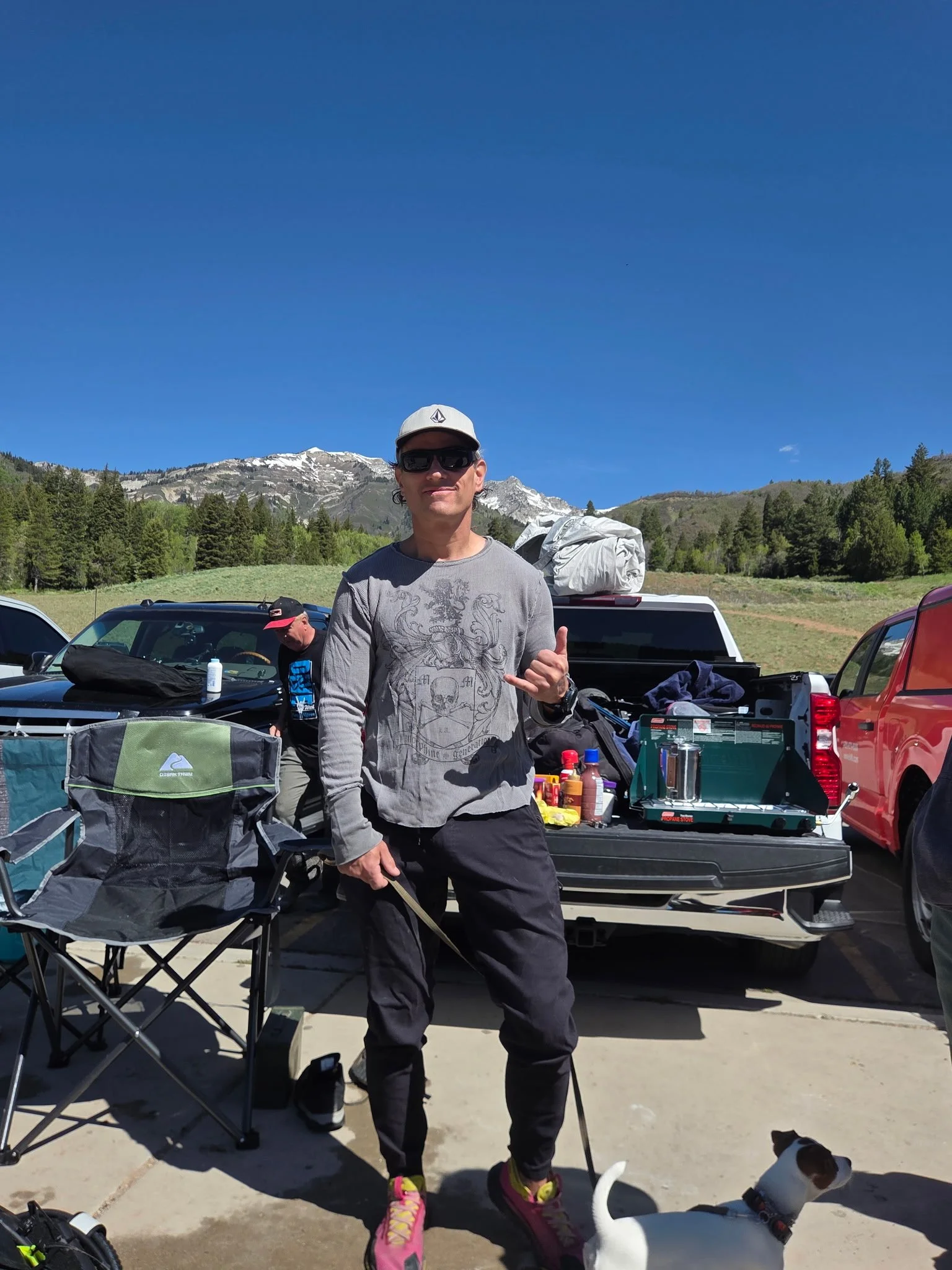
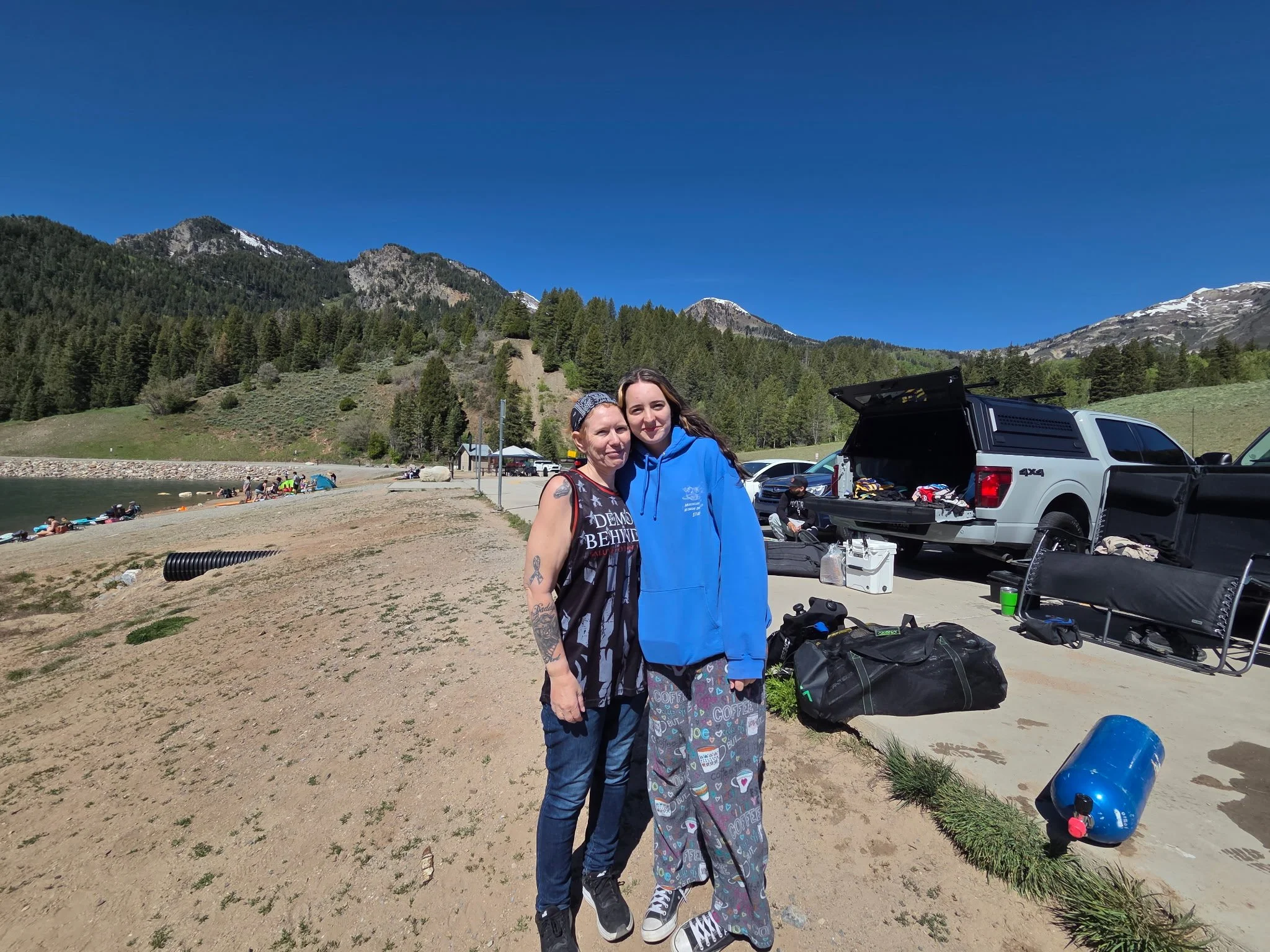
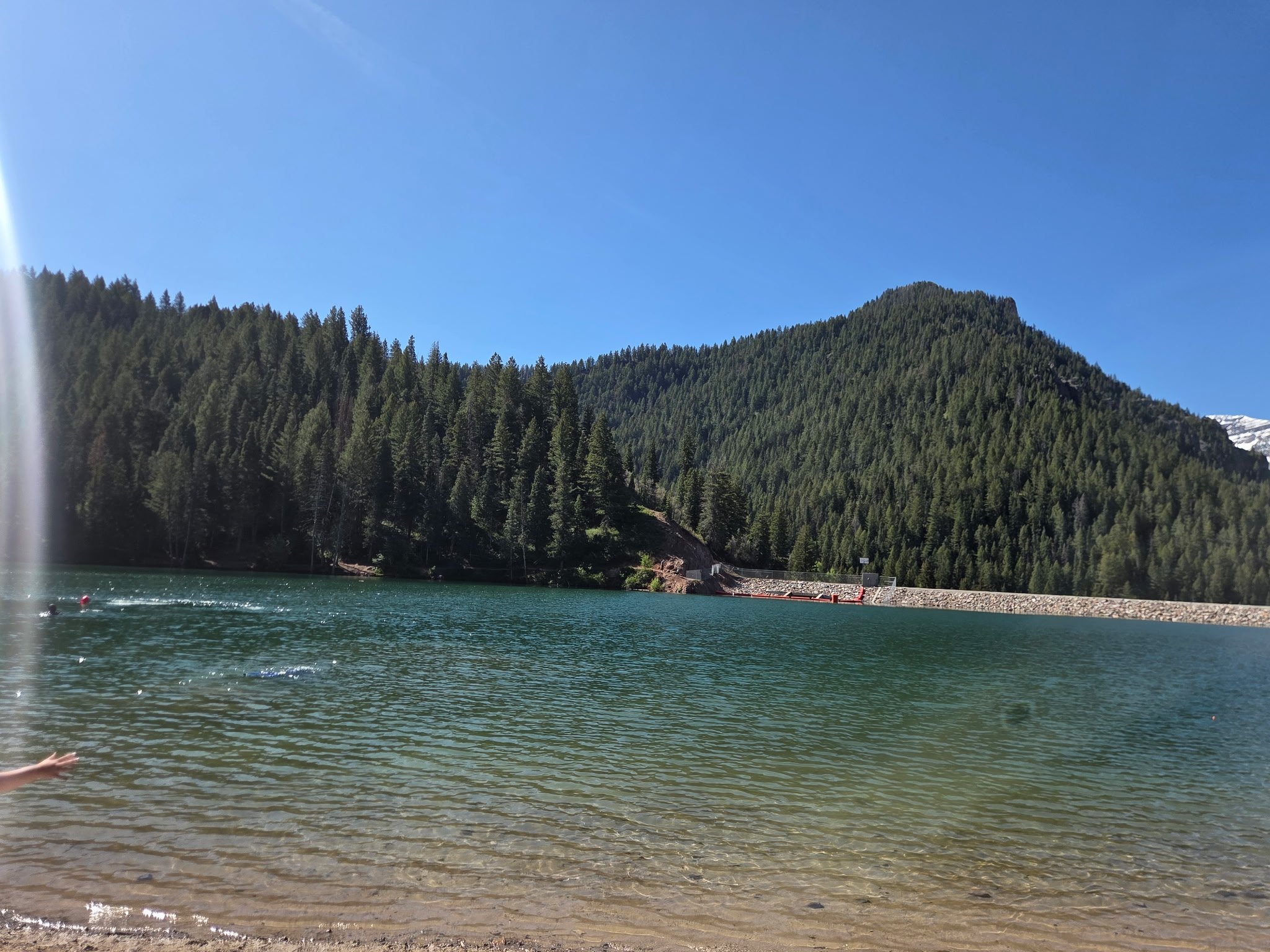
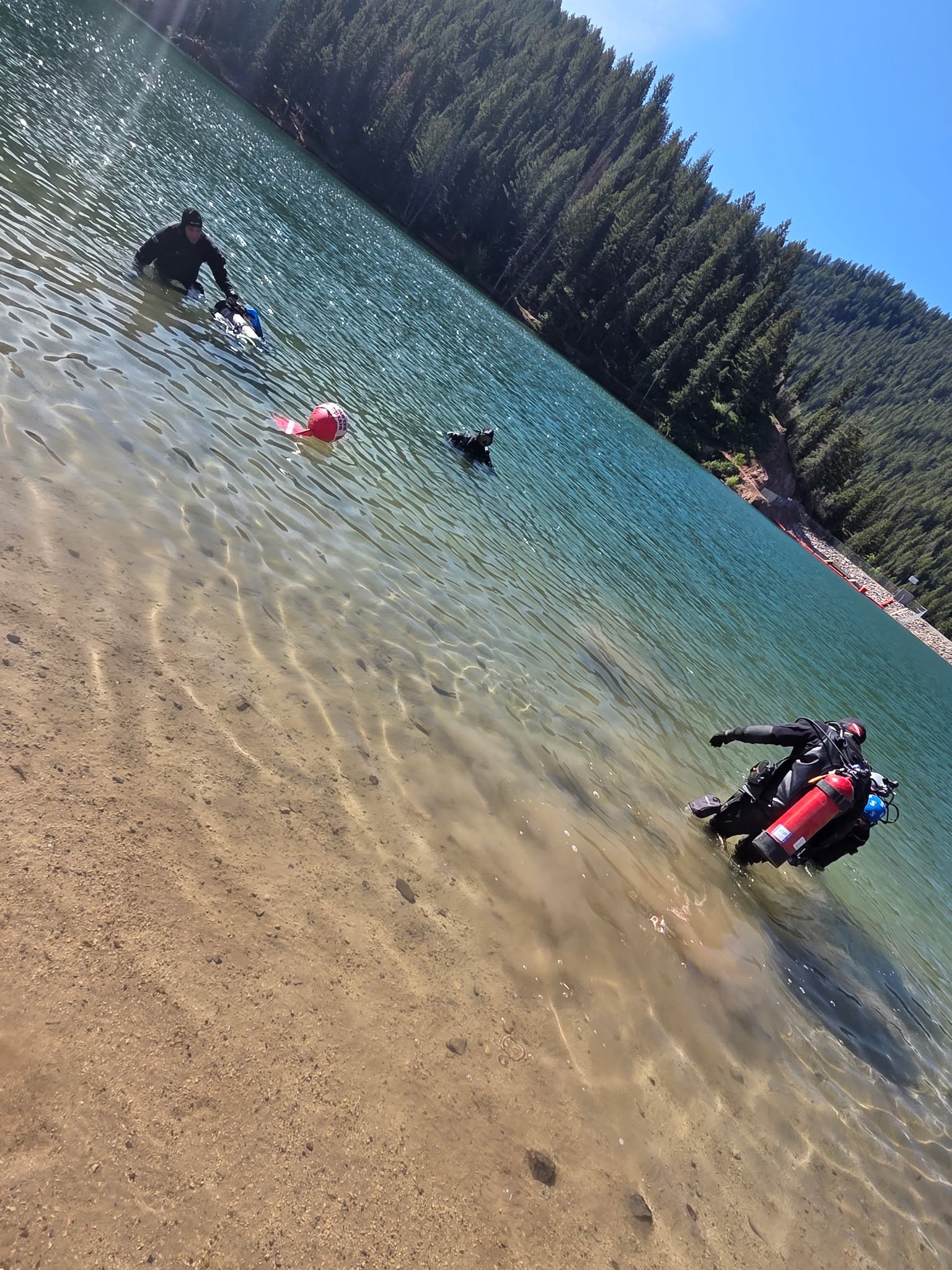
There is a particular kind of cold that lives in alpine water. Not the sharp, gasping cold of a garden hose or a winter shower — something older than that. Something the mountains have been hoarding since the last snowmelt, pressing it down into dark water where sunlight still reaches and time moves differently. That is the cold waiting at Tibble Fork Reservoir. And that is exactly the cold Fathom Restoration went looking for.
Tucked into American Fork Canyon in Utah's Wasatch Range at roughly 8,000 feet above sea level, Tibble Fork Reservoir is not a dive site you wander into by accident. You earn it. The winding canyon road, the altitude, the gear hauled across a rocky shoreline — every step is a small commitment. And on this particular day, with the water sitting at a skin-tightening 44 degrees Fahrenheit and a maximum depth of 30 feet, the commitment was not a small one.
But Fathom Restoration didn't come alone.
The Water Doesn't Care How Tough You Are
Scuba diving Tibble Fork Reservoir is, in the most honest terms, a test of will before it is a test of skill. Cold water diving at altitude demands respect from even seasoned divers. Drysuits are not optional — they're armor. Regulators must be cold-water rated. And the moment you break the surface and feel that 44-degree embrace close around you, every abstract plan you had about relaxing dives evaporates into a very clear, very focused present.
Below the surface, Tibble Fork offers something quietly breathtaking. The reservoir's bottom holds the patient stillness of mountain water — no coral, no tropics, no warm current. Just cold clarity, submerged rock and sediment, and the kind of silence you don't find at sea level. For Utah divers, it is a destination unlike anything else in the state. For Fathom Restoration, it is exactly the kind of water worth protecting.
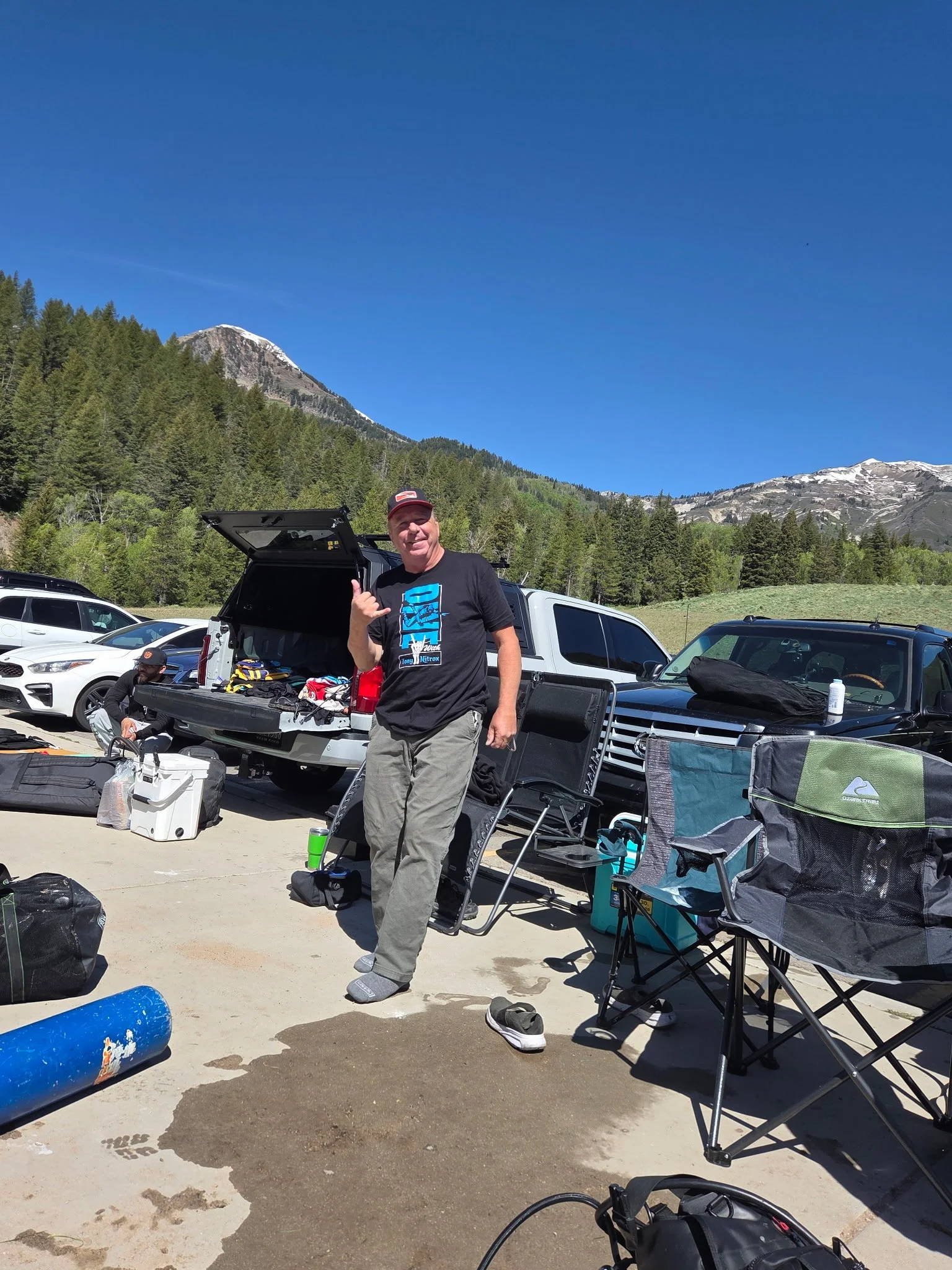
Tony Nitrox: Utah Diving's Own Legend
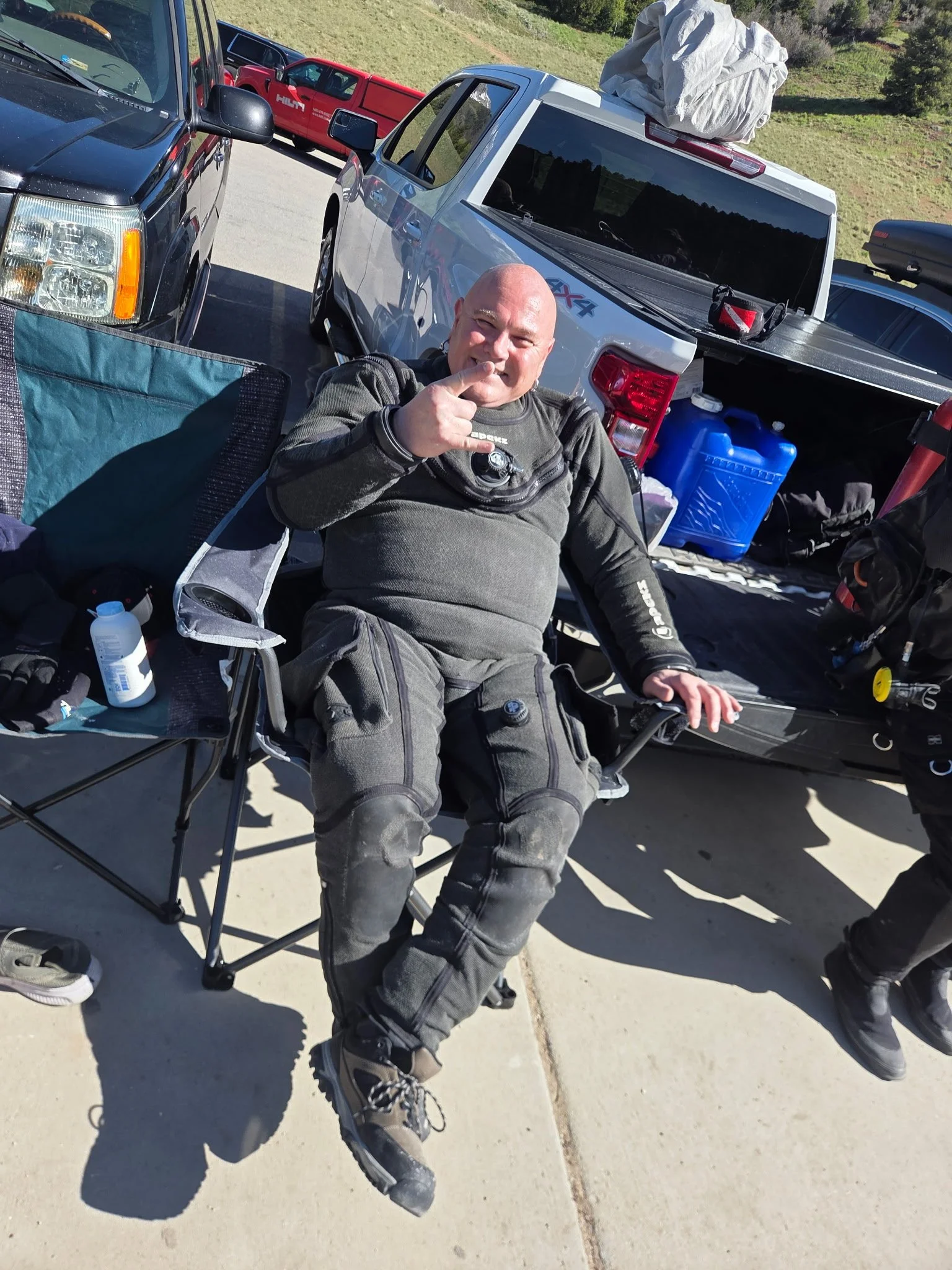
There are divers, and then there are people who become part of a dive community's identity. Tony Nitrox — known to Utah divers by his unmistakable presence and tireless enthusiasm — falls firmly in the second category. When Tony shows up to a dive, things change. The energy shifts. Newer divers stand a little straighter. Veterans grin a little wider. He is the rare kind of person who makes everyone around him feel like they belong underwater.
At Tibble Fork, Tony brought exactly what the day needed: an unshakeable calm, a deep familiarity with Utah's dive conditions, and the kind of infectious confidence that makes 44-degree water feel like a reasonable idea. His presence was a reminder of what Utah's dive scene is at its best — generous, experienced, and deeply rooted in a love of what lies beneath the surface.
"The cold is just the price of admission. What you get on the other side is worth every shiver."
Deepwater Conservation & Cami Tucker
Every dive community needs people who show up not just for the dive, but for the cause beneath it. Cami Tucker of Deepwater Conservation is one of those people.
Deepwater Conservation is dedicated to protecting freshwater ecosystems, advocating for aquatic health, and building real connections between the dive community and the waters it calls home. At Tibble Fork, Cami didn't just show up — she showed up with breakfast burritos (even though Tony Nitrox paid her for it, haha), offering warm hands and warmer community to a group of divers climbing out of 44-degree water into mountain air. It was a small gesture with a large meaning: this is what it looks like when conservation isn't just a concept. It's people standing on a cold shoreline, cheering each other on.
Deepwater Conservation's work spans education, habitat awareness, and community building across Utah's remarkable — and remarkably fragile — freshwater systems. Alpine reservoirs like Tibble Fork are exactly the kind of ecosystem that benefits from advocates like Cami and the network she's building.
Why Fathom Restoration Dives Utah's Waters
Fathom Restoration was built on a simple belief: that the people who dive Utah's waters are also the people best positioned to protect them. We are not observers of these ecosystems — we are participants. Every entry, every descent, every moment spent beneath Utah's alpine surfaces is both a privilege and a responsibility.
The dive at Tibble Fork Reservoir wasn't a stunt or a checkbox. It was a gathering — of divers, of conservationists, of people who understand that Utah has something extraordinary in its mountain lakes and reservoirs. Cold, clear, and increasingly rare in a landscape under pressure from drought, development, and changing snowpack, these waters deserve a community willing to go to the mat for them. Willing to go to the bottom for them.
Days like this — cold shorelines, shared breath, the quiet solidarity of people who've all descended into the same cold water — are why Fathom Restoration exists. The mission isn't abstract. It lives in exactly these moments, in exactly these places.
Everything You Need to Know About Scuba Diving Tibble Fork Reservoir
Location & Access Tibble Fork Reservoir sits in American Fork Canyon in Utah County, accessible via UT-144. The drive up the canyon is scenic and well-maintained through summer and early fall. Parking is available near the reservoir and a day-use fee applies. Plan your entry point carefully — the shoreline is rocky and gear management takes some forethought.
Water Conditions Water temperatures at Tibble Fork vary by season, but high elevation water stays cold year-round. A drysuit is strongly recommended, and regulators should be rated for cold-water environments. Our dive registered approximately 44°F — typical for alpine conditions at this elevation and time of year. Visibility varies with snowmelt and season, so plan accordingly.
Depth & Dive Profile With a max depth of around 30 feet, Tibble Fork is accessible to open-water certified divers, though cold-water experience is a meaningful advantage. The site suits skills dives, underwater photography, and exploratory diving. This is a dive of atmosphere, challenge, and the satisfaction of going somewhere most people have never considered.
Best Season Late spring through early fall offers the most reliable access. Summer weekends can see recreational visitors on the water, so early-morning dive entries are recommended for the best experience.
Follow Fathom Restoration for future dive events, conservation updates, and stories from Utah's most extraordinary dive sites. Learn more about Deepwater Conservation and the freshwater ecosystems worth fighting for.