
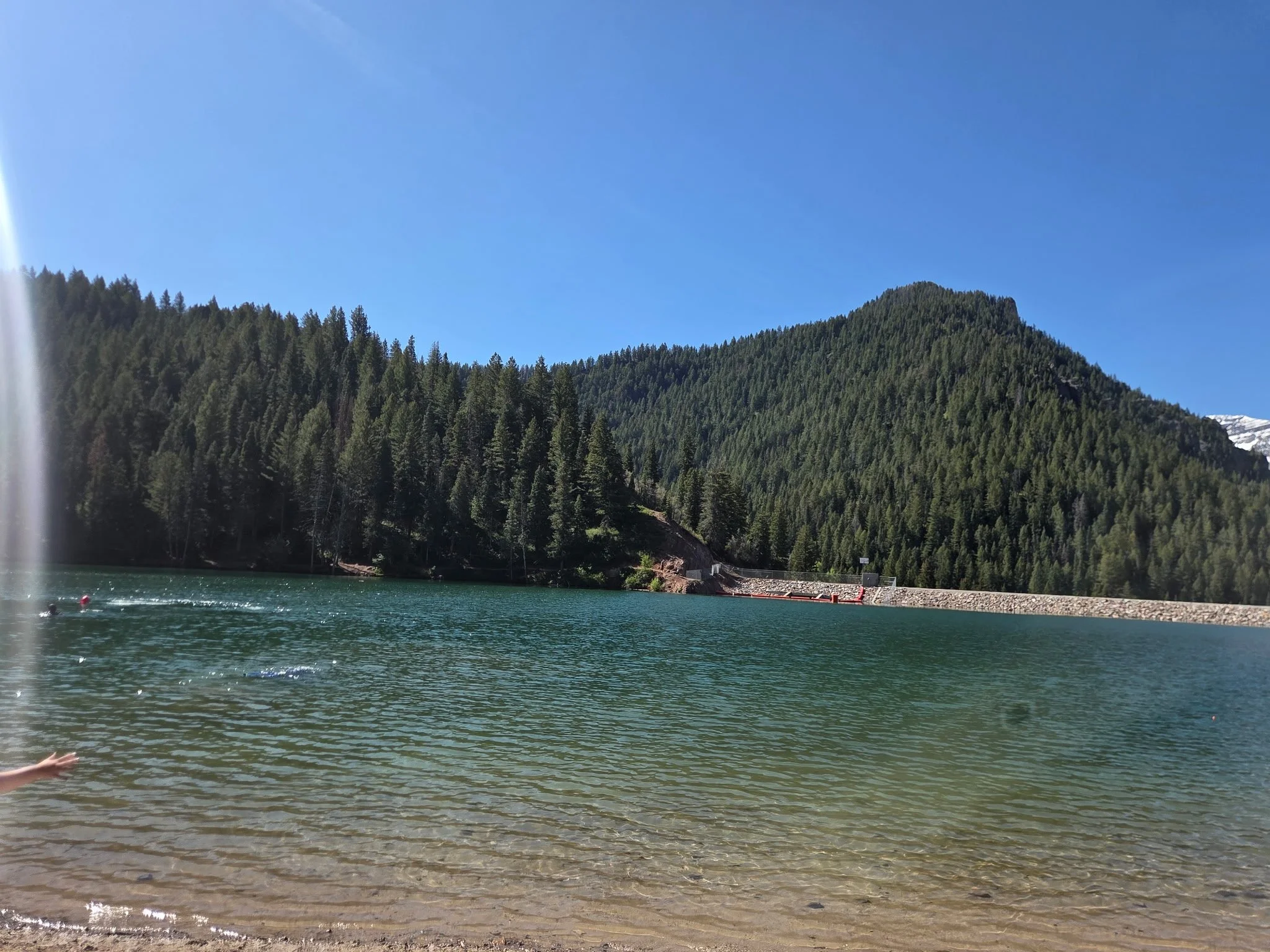

No certification needed. Divers go in, shore crew stays dry. Both count.
Short field notes from the crew: which lake we're studying, what the records show, and what it takes to bring a vehicle up. When the first one surfaces, you'll know before anyone else.
Utah's lakes are contaminated. Nobody is doing anything about it.
Sources: Fathom Restoration, Utah Waterways: A Submerged Debris Atlas (2026, updated August 4, 2026). See the full research →
Every submerged vehicle is an active contamination source, leaking fuel, oil, and heavy metals into the water for decades.
What every submerged vehicle leaks into the water.
A single car holds roughly twenty liters of toxic fluids: fuel, oil, transmission fluid, coolant, brake fluid, and battery acid. None of it belongs in the water, and under federal law even a visible sheen of oil counts as a harmful discharge.
Sources: U.S. EPA oil discharge regulations (40 CFR Part 110); EPA National Recommended Water Quality Criteria; ATSDR toxicological profiles (used crankcase oil, PAHs, ethylene glycol); USGS metals and sediment research. Per-vehicle amounts reflect a typical mid-size sedan. Updated August 4, 2026.
Sweet-tasting. Lethal to animals in tiny doses.
Suffocates fish gills. Coats waterfowl feathers.
Disrupts pH. Kills bottom-dwelling organisms.
Carries benzene, a known human carcinogen.
Who's handling this? Nobody.
Under-funded, under-equipped. Focused on rescue, evidence, and remains, not long-term debris cleanup. A small number of certified public-safety divers statewide.
Monitor water quality. Issue reports. Lack any recovery capability, equipment, or operational mandate to physically remove vehicles from the bottom.
Exist to profit from insurance claims. No interest in pro-bono cleanup. No HazMat certification. No mission alignment. No one is paying them to go deeper.
That's the gap. That's why Fathom Restoration exists.
Get them out of the water.
The mission is simple to say and hard to do: move the drowned vehicles, vessels, and debris out of Utah's lakes, and stop what they are leaking into the water. We work in phases, volunteer trash and debris cleanups on the lakebeds today, full vehicle recovery as funding, insurance, and certifications land.
Two reservoirs, one river, first in line.
Deer Creek and Jordanelle sit on the same stretch of the Provo River in Wasatch County, and Deer Creek supplies drinking water to most of the Salt Lake and Utah valleys. That is where our recovery work begins.
6 confirmed submerged items, including 3 vehicles, with an estimated 8 to 25 total. U.S. 189 hugs five miles of its shoreline, and in 2024 a propane tanker went off that road straight into the lake. This water feeds the valleys' taps.
6 confirmed items and an estimated 6 to 20, resting in water up to 292 feet deep, some of the deepest in Utah. Three drowned towns sit on the bottom, and recurring algal advisories already stress the reservoir.
The people who manage these waters are paying attention to this work. Wasatch County officials and lake managers are engaging with us on access, events, and funding routes, and that is exactly how a first recovery happens.
Source: Fathom Restoration, Utah Waterways: A Submerged Debris Atlas (2026, updated August 4, 2026); Utah DEQ water-quality assessments.
Pick a lake. See what's sitting on the bottom.
Our Utah Waterways Submerged Debris Atlas surveyed 20 lakes and reservoirs across the state. Here's what the records show for the waters you know.
Source: Fathom Restoration, Utah Waterways: A Submerged Debris Atlas (2026, updated August 4, 2026). Documented counts are individually sourced; estimates are conservative.
From the bottom to clean water.
The four-stage operation we're built and raising funds to deploy, from the lake floor to verified-clean water.
ROV reconnaissance and sonar mapping. Coordination with county sheriffs and lake authorities. Every asset GPS-documented before deployment.
USCG-certified dive crews with hydraulic lift systems rated for 20,000+ lb vehicles. Zero-spill extraction protocol. Full surface team support.
CDL-A HazMat licensed transport. Sealed containment prevents secondary contamination. Chain of custody documented from lake floor to disposal.
Post-extraction water quality testing in coordination with Utah DEQ. Full incident report filed. Data published to a public database.
A full-service recovery operation.
Professional-grade extraction of submerged vehicles, vessels, and debris. USCG-certified crews, ROV-assisted location, hydraulic lift systems rated for 20,000 lb vehicles at depth.
HazMat-certified containment of all leaked fluids. On-site remediation assessment. Coordination with Utah DEQ and environmental agencies for post-removal water quality testing.
Direct support for law enforcement dive teams. Public water quality reporting. Education and outreach programs. Priority access for distressed families seeking vehicle recovery.
This isn't an idea. It's underway.
IRS-Recognized 501(c)(3)
Determination received. Fully governed with adopted bylaws, conflict-of-interest, and financial-controls policies. See our governance →
Volunteer Cleanups Launching
We are preparing our first official volunteer cleanup, shoreline and shallow-water debris carried out by hand, while we raise the heavy-recovery fleet. Get on the roster →
The Research Is Published
Our Submerged Debris Atlas documents 499 items across 20 Utah waterways, the first statewide accounting of what's down there. Read it →
Officials Engaging
Wasatch County officials and the managers of our focus waters are engaging with us on access, events, and funding routes, with letters of support already in hand. Our story →
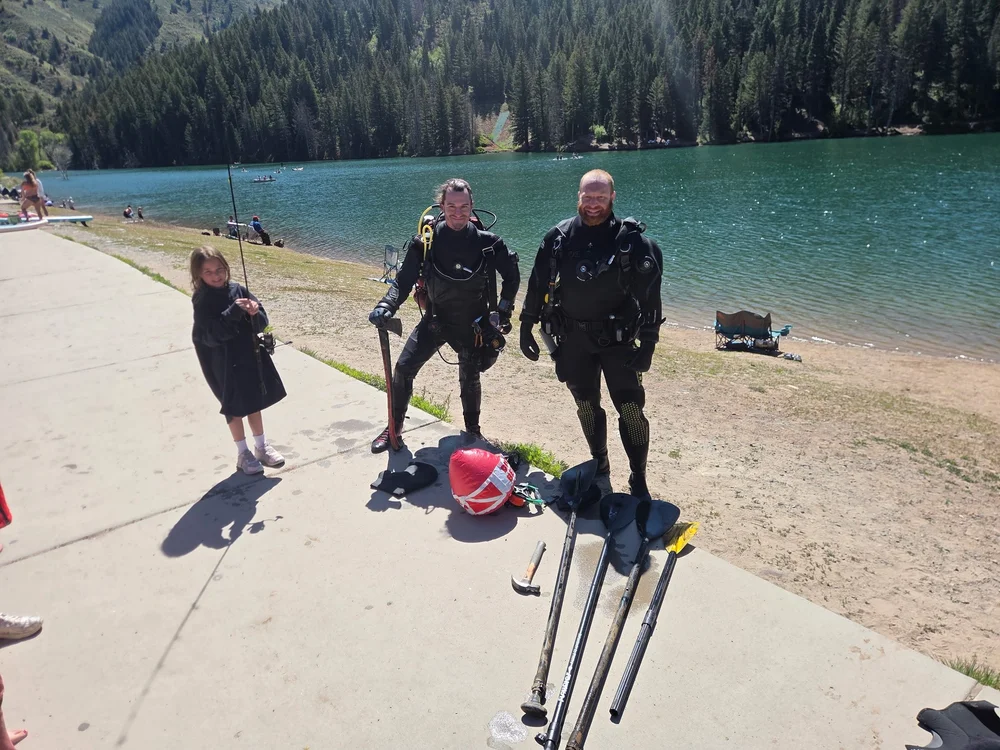
Watch us pull the first one out.
Short field notes from the crew. When the first vehicle surfaces, you'll know before anyone else.
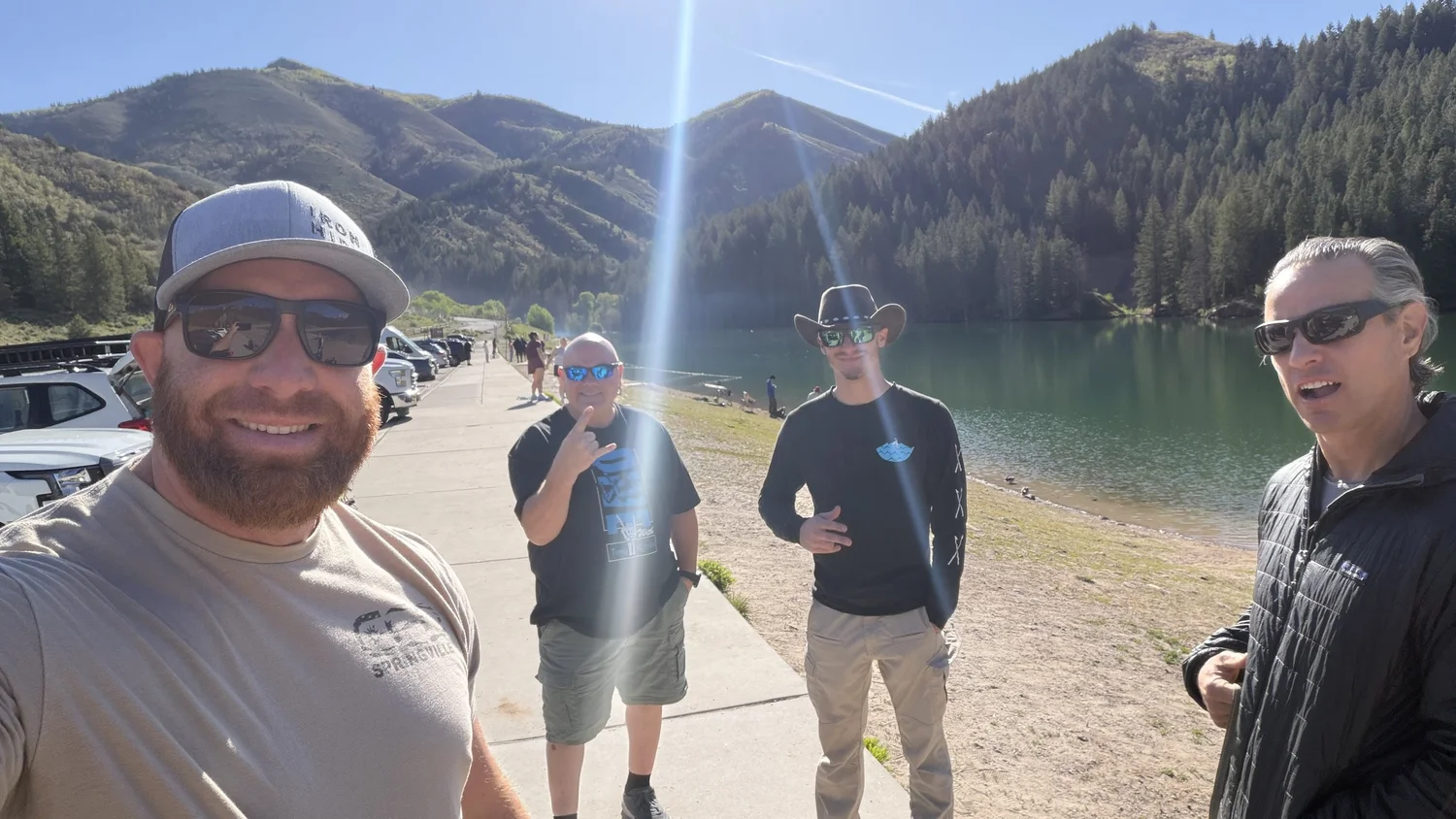
Built by veterans who don't quit.
Every member of our founding board is a U.S. military veteran with a service-connected disability. Dangerous, technical, team-based recovery work is what we trained for.
Funding is the difference between studying this problem and solving it.
The research is published, the governance is in place, and volunteers are already working the lakebeds by hand. What stands between today and the first vehicle out of the water is operational funding.
Our Year One budget is public and none of it is secured yet. We show the gap on purpose: what you give is what gets a recovery funded.
In order: liability insurance that puts insured volunteer dive days on the calendar, then certified divers, lift equipment, and HazMat transport for the first vehicle recovery.
No other nonprofit, company, or agency is structured and equipped specifically to recover submerged vehicles from Utah's waters.
Utah dive teams are resource-constrained and focused on rescue and evidence, not debris. Every season this waits, the items underwater keep leaking.
Short field notes from the crew: which lake we're studying, what the records show, and what it takes to bring a vehicle up. When the first one surfaces, you'll know before anyone else.
Help us pull the first one out.
We're IRS-recognized, fully governed, and already in the water running volunteer cleanups by hand. Your donation funds the certified dive team, recovery equipment, and HazMat transport we need to start pulling vehicles out for good.
EIN 42-2166469 · UTAH NONPROFIT CORPORATION · IRS-RECOGNIZED 501(c)(3)