
Yes, there are cars at the bottom of Utah's lakes.
Our research places 499 submerged items across 20 Utah lakes and reservoirs: cars, trucks, boats, even aircraft. 226 of them are individually documented, each with a primary source. Most have been down there for decades. Nobody had a plan to bring them up. We're building one.
The Fathom Dispatch: what's under Utah's water, and what it takes to bring it up.
How many, and how we know.
Compiled from news archives, government records, court filings, peer-reviewed studies, and salvage case files. Utah Lake alone: 16 individually confirmed items, with an estimated range of 25 to 60. Read the full Atlas →
Cars through the ice. Boats that never came home.
Vehicles that went through winter ice and were written off. Boats that sank at their moorings. Aircraft that ditched and were left where they settled. Recovery was expensive, so most of it simply stayed.
A vehicle that went under in the 1980s is still down there tonight, its fuel tank and fluid lines corroding a little more every winter. Steel gives up slowly. Gaskets don't last forever.
Contamination that never stops on its own.
- Every submerged vehicle and vessel carries motor oil, fuel, coolant, and a lead-acid battery with up to ~18 lbs of lead.
- Under EPA rules, any oil that causes a film or sheen on the surface of the water is a harmful, reportable discharge (40 CFR Part 110). There is no safe amount.
- And it persists: USGS documents oil from a 1979 spill near Bemidji, Minnesota still contaminating groundwater more than four decades later.
Sources: Utah Waterways: A Submerged Debris Atlas (Fathom Restoration, 2026, updated August 4, 2026); U.S. EPA oil discharge regulations (40 CFR Part 110); USGS Bemidji crude-oil research site.
The crew building Utah's recovery capability.
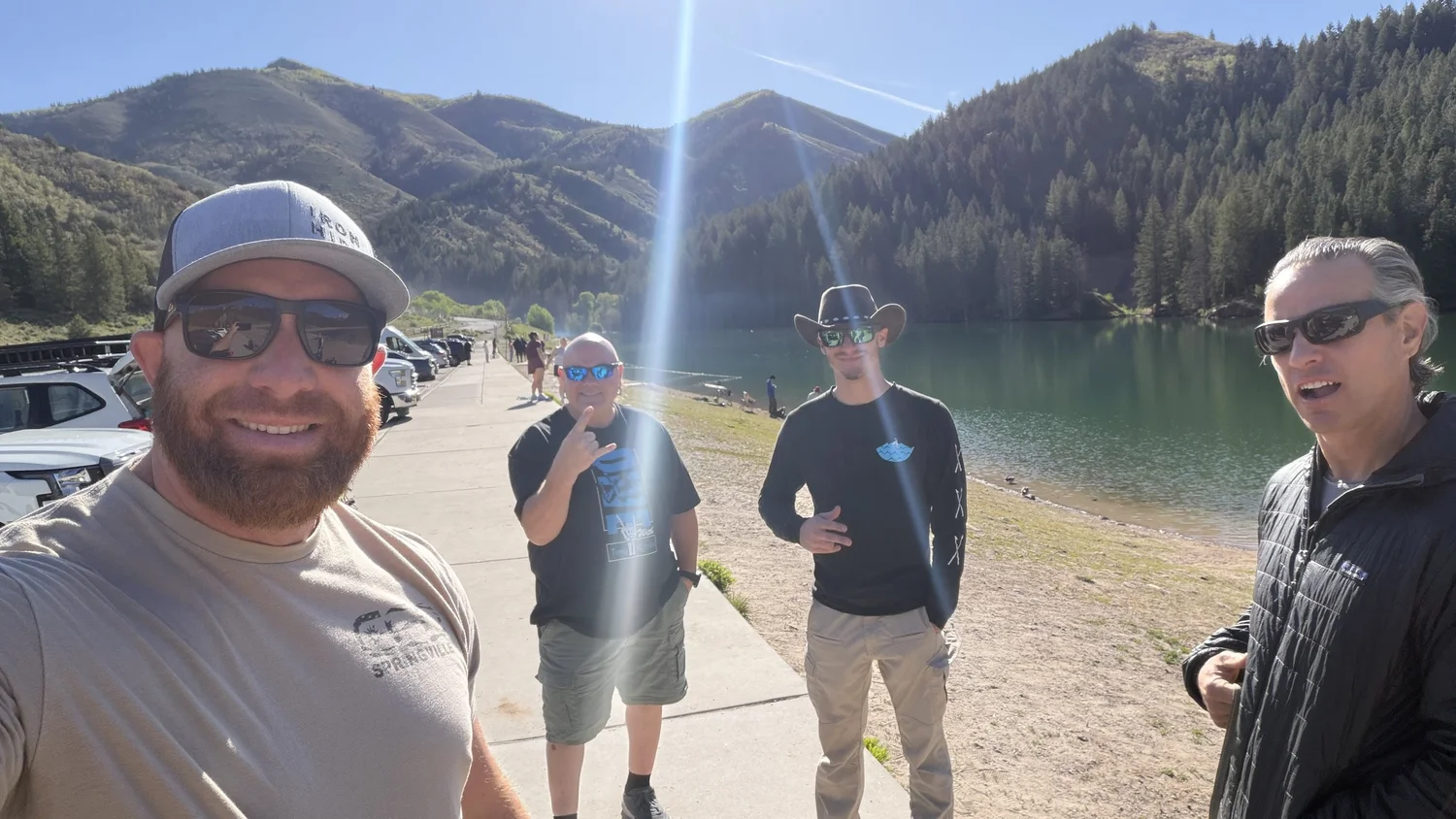
Fathom Restoration is a veteran-led Utah 501(c)(3). We wrote the Atlas. Now we're building the state's first dedicated submerged-debris recovery capability: the certifications, the equipment, and the crew it takes to lift a truck off a lake bed and dispose of its fluids properly. First recoveries are targeted for 2027.
See what comes up.
Short field notes from the crew: which lake we're studying, what the records show, and what it takes to bring a vehicle up. When the first one surfaces, you'll know before anyone else.
No spam. Unsubscribe anytime.
The sticker that funds the cleanup.
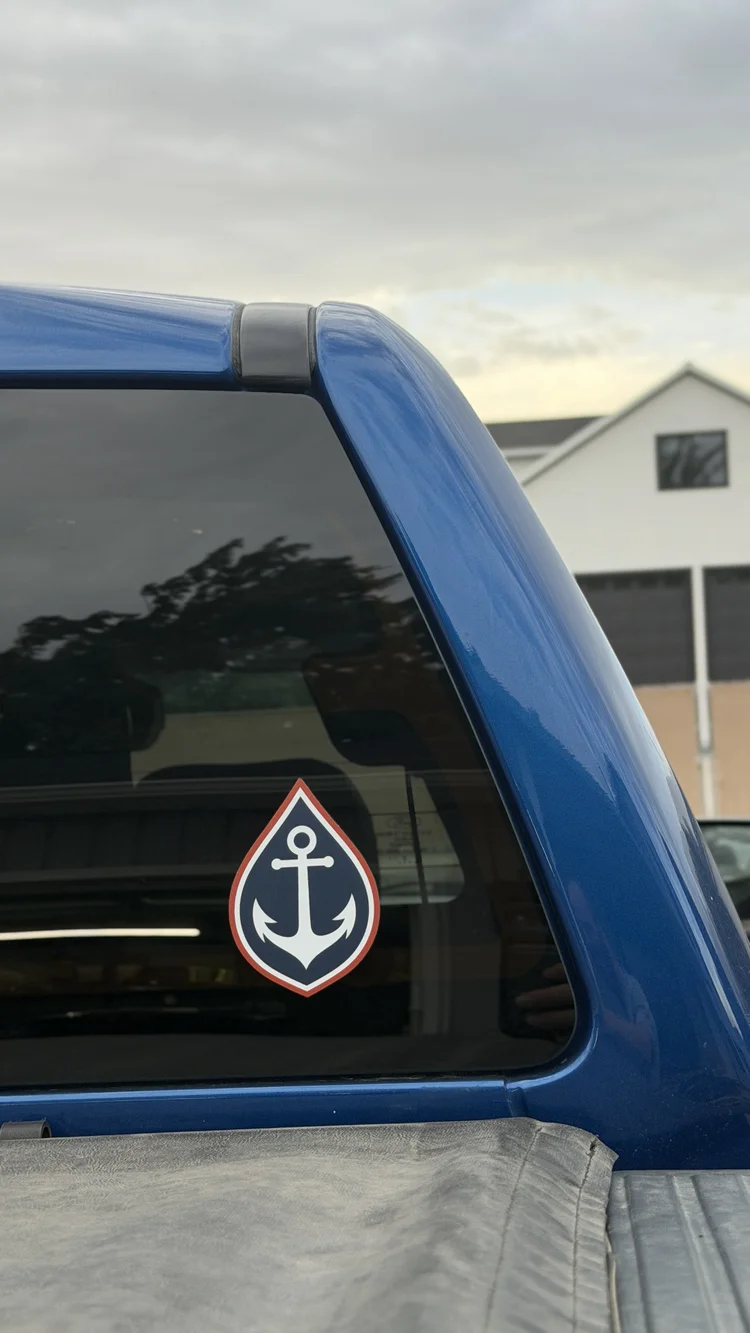
Weatherproof die-cut vinyl with the Fathom logo. Stick it on your water bottle, truck, cooler, or dive case. Every sticker helps fund the work of pulling debris out of Utah's waters.
Fathom Restoration is an IRS-recognized 501(c)(3) nonprofit organization (EIN 42-2166469). Donations are tax-deductible to the extent allowed by law.